
We Want to Take Your Blood(work)

What’s spookier than the haunted hayride at Watson Mill Bridge State Park?
Sick animals spreading illness at a show or sale is near the top of the list for Custom Livestock Solutions veterinarians. To ensure that horror story never comes to pass, livestock are required to have health papers signed by their vet before attending many such events.
“A health paper is a Certificate of Veterinary Inspection, which is a document verifying that the beef animal [or other livestock] has been examined by a veterinarian and found to be free of apparent disease, particularly conditions that might be transferable to other animals,” says Dr. Scout Josey, DVM, veterinarian at CLS Northwest in Rome, Georgia. “From an epidemiologic perspective, shows act as congregation points for animals from different farms and even regions across the state. Animals are housed and groomed closely together, facilitating the spread of pathogens through nose-to-nose contact, respiratory droplets, fecal-oral route, and fomites such as brushes, halters, and show sticks.”
Due to this commingling, there’s an increased risk of disease not just spreading at shows, but once the newly infected animals return to their farms. Valid CVIs reduce that risk. In most circumstances, once a veterinarian signs off on an animal’s health paper, the animal has a window of time in which it can freely travel to shows, sales, or other events. There are exceptions in exigent circumstances, however. CLS veterinarian Dr. Isaac Ridings, DVM, says livestock owners should immediately reach out if signs of illness arise during the window a health paper was issued for.
“When we go for the health paper, it’s just on that day they’re showing that they’re healthy enough to go to the show, or go to the exhibition, wherever they’re going,” Ridings says. “If that animal’s sick [after its health paper], it does not need to go to the show.”
The vet can then treat the animal for its presenting complaint, and a new CVI can be issued once it is cleared for travel. Georgia show pigs are eligible to receive a health paper good for four months, provided they are staying in-state for shows. The same is generally true for cattle, sheep, and goats. There is an exception, however: though goats may receive a CVI valid for four months, sheep must have their health paper updated and signed every 30 days during the show season either by an accredited vet, a county Extension agent, or an exhibitor’s ag teacher.
“The tricky part typically becomes out-of-state travel and shows, because other states can have varying requirements,” Josey says. “Generally testing results are only good for a period of 30 days, so just be aware of those expirations.”

Obtaining a CVI
A health paper appointment consists of the veterinarian visiting a farm, home, or show barn and performing a physical exam on each animal that is in need of a CVI.
“We especially take note of any skin lesions, such as fungal disease like ringworm, or warts that spread easily when animals share grooming equipment,” Josey says. “Generally, most well-managed show animals appear fairly healthy on exam. However, things like ringworm or warts are not uncommonly noted in calves. These skin lesions may seem like mild conditions, but are concerns for being transmissible to other cattle and therefore must be cleared up by the time a health paper is issued.”
If animals don’t already have an official identification tag, such as an 840 or scrapie tag, those can be administered during the appointment. The vets collect a variety of identifying and contact information for owners, animals, and the show or buyer’s destination they’re headed to.
“Generally, all the show requirements are in a packet that the exhibitioner will receive when they sign up for the show that lists the health requirements and all the information that needs to be placed on the health paper by the veterinarian,” says Dr. Justin Brown, DVM, veterinarian at CLS Southeast in Jesup, Georgia.
Depending on the species, vets will collect samples as well.
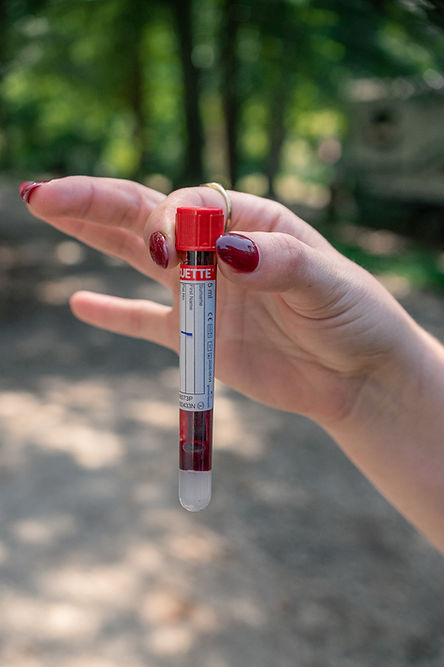
“For pigs specifically we’ll collect a blood sample,” Brown says. “We test for two diseases, pseudorabies virus and brucellosis — it’s a bacteria that affects pigs. Both of those diseases have been eradicated from the commercial swine population and domestic pigs in the United States. That includes show pigs, pet pigs, then commercially produced pigs that are ultimately gonna wind up at our grocery stores.”
“There is a chance that, if those pigs have outdoor access and they’re in an area that has wild pigs, those diseases could spread back into the domestic pig, commercial pig populations,” Brown says. “We want to monitor for those.”
In addition to select shows having specific health paper requirements, some shows and interstate travel may also require different things depending on an animal’s sex or show class. Swine breeding stock have different vaccination protocols than market hogs before attending some shows, and Josey adds that older, intact bulls may need trichomoniasis testing.

Appointment Considerations
As soon as families decide they are interested in showing livestock, Brown recommends establishing a veterinary-client-patient relationship, or VCPR.
“Then, if any issues arise, they’re familiar with what’s going on out there and can be able to help you in a timely manner to get that animal treated or seen, or figure out next steps,” he says. “It’s a little bit easier to get out to you to write that health paper.”
The valid VCPR, which is maintained by one annual vet visit per year, allows clients the privilege of virtual CVI telehealth consultations at veterinary discretion.
The earlier clients can let their CLS vet know they are going to a show and will need a new health paper, the better, especially if the show or species requires samples be submitted to the lab.
“If we need to do testing, that adds a time component in as well for when we have to submit the test and get the results back,” Brown says.
For ambulatory vet visits like those provided by Custom Livestock Solutions, Ridings says one way to save on the health paper invoice is to coordinate with other livestock exhibitors and set up a shared appointment at one location. This allows the trip fee to be split amongst multiple clients, and is also more efficient for show teams and the veterinarian.
Josey says a good rule of thumb for scheduling is to alert vets 14 days out for out-of-state travel health papers, and at least a week in advance for Georgia shows.
“It is also helpful to go ahead and submit to us all the information about the animals, origin, and destination prior to the appointment, in case we have any questions,” she says.
Custom Livestock Solutions is Georgia’s proven source for premiere herd health and management services. Our vets serve large animal herds, show barns and stables in the Peach State and nearby neighbors in South Carolina. Visit us in Comer Monday through Friday from 9 to 5, or call 706-783-8128 to learn more.
